We hear a lot about affordable housing. The housing crisis… and the rental crisis… and the building cost crisis.
The media (and this blog) are full of what the problems are and suggests of what to do about it.
Everyone wants a balanced housing market. We had one only 5 -10 years ago. So what happened?
It’s worth thinking about why the housing market was working well in 2015, but by 2025 it’s broken.
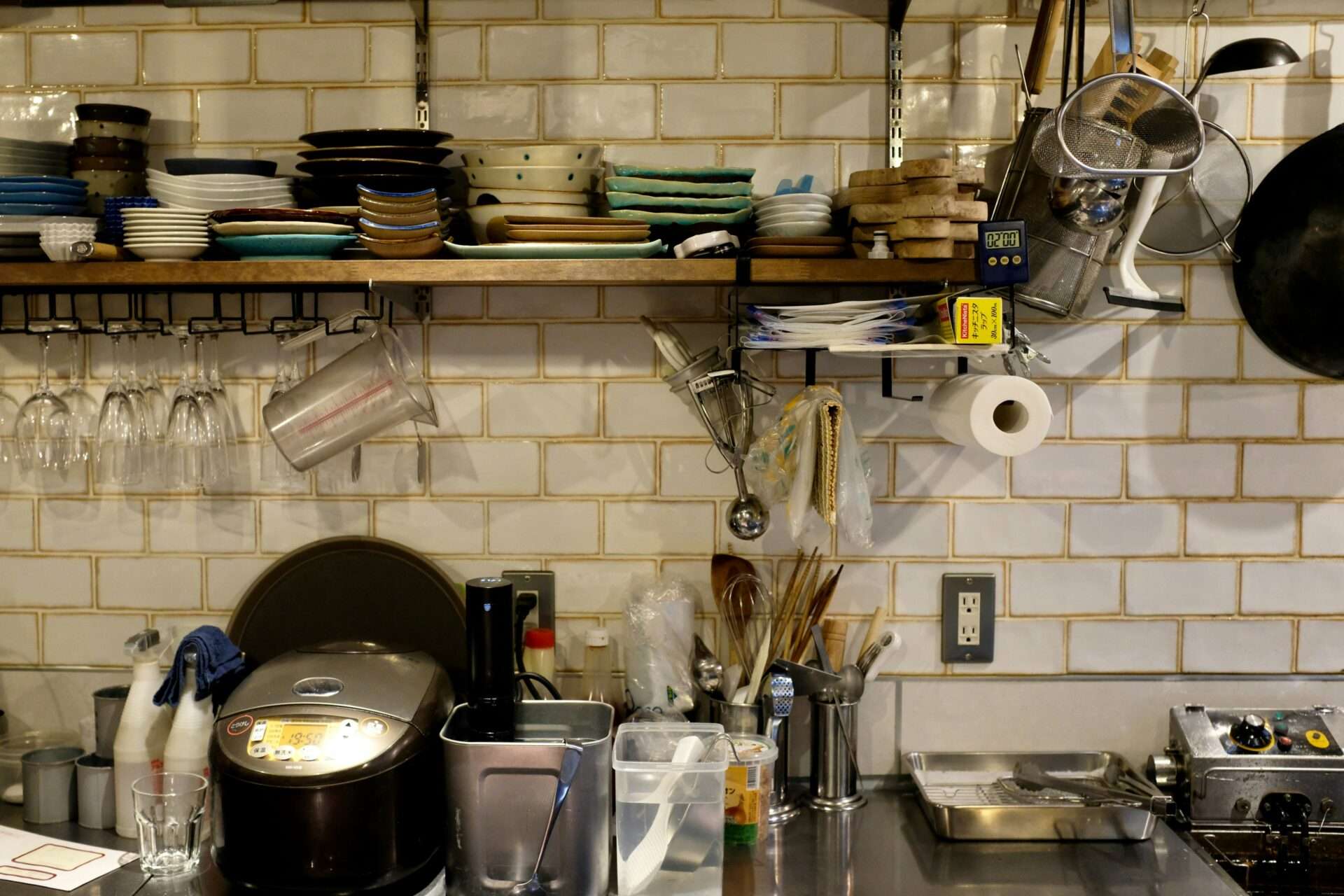
Most of us remember fondly our share house days in old properties. Many were run down and would not pass muster today.
Did we hanker for a better home? – Absolutely!
Could we afford one? – Absolutely not!
We didn’t seem to mind too much about heating or cooling, or block out blinds, or if the electric ignition on the stove didn’t work all the time. We had other priorities. We had a home, and we made it work.
The world has changed in so many ways. The answer to our current housing woes is not hidden in nostalgia. Nor do we support run down rental accommodation. But we do advocate for a stable supply of rental accommodation that gives people choice across a broad range of price and accommodation standards.
There is a long list of things that have damaged the housing market in the last 5-10 years. In some way they all come down to costs. Cost to build. Cost to occupy. Cost to manage. Cost to rent. Cost to buy. Cost to borrow.
About 90% of the current housing cost stem from government intervention in some way. Either additional direct costs or tax or more onerous regulation and compliance. Others impact the market indirectly like the “Big Build” which has sent construction costs soaring.
Like all costs, they get passed down to the consumer. That is the buyer or the tenant. Or if they can’t afford it, the property doesn’t get built at all. Which is where we find ourselves today.
Maybe over the next 5 – 10 years the market can digest and adjust to these imposts. Waiting that long for the market to adjust is unacceptable to the community. It will manifest in homelessness or even higher housing costs. For change to occur sooner, the government needs to redress the problems they created.
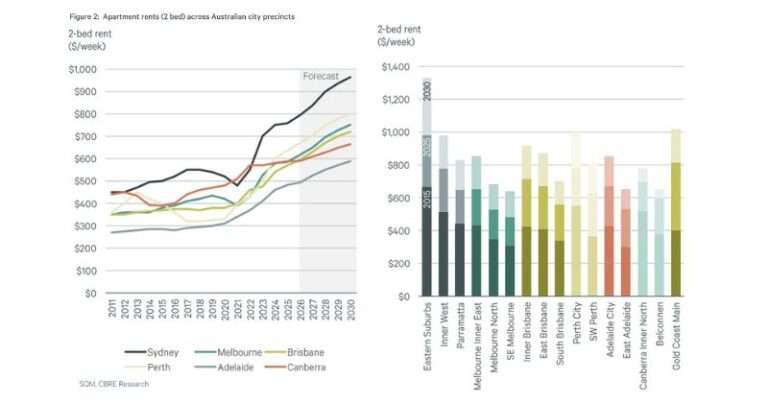
A sharp rise it rents is just one of the problems created. We have seen how additional property tax and regulation plus a shift towards tenants’ rights, has driven many investment owners to sell their rental properties. This has reduced the rental pool and pushed rents up.
Here are some stats from the Residential Tenancies Bond Authority (RTBA) showing the number of bonds lodged and refunded over the last two years. This doesn’t Notice how the bond lodgements (new bonds) fell by 3.9% and refunds rose 12.5%. That is a net 16.4% drop in bonds.
| 2022 -23 | 2023-24 | % change | |
| Bond Lodgements | 255,722 | 245,744 | -3.9% |
| Bond Refunds | 224,127 | 252,036 | +12.5% |
To be constructive in this debate, here is one small idea to keep more properties in the rental pool without the government losing any revenue or incurring additional cost. It would also help keep rents more affordable and provide more choice of rental accommodation.
Currently owners need to ensure their property meets the government prescribed set of minimum standards. This adds cost which gets passed on to tenants. What if we flipped it so rather than the government deciding what standard of accommodation renters should have, we let the renters decide. Ensure landlords fully disclose the condition of the property rather than make them meet a set of government standards.
It makes more sense to enforce landlords to disclose all the property’s conditions. Good and bad. Then they market (tenants) are fully aware and can make an informed decision on how much rent they are prepared to pay for it.
Owners already need to complete a disclosure statement about various things before a tenant signs a lease. The same form could be used to add a list of what the property does or doesn’t have and any faults. Then the tenant can decide if they want to live in the property based on the asking rent.
This allows the tenant to choose if they are happy to live in a property with air-conditioning or block out blinds or not. Why should the government decide on what features a tenant should pay for. Additionally, the disclosure statement can declare if something doesn’t work. This way prospective tenants are fully informed and can make their decision on price to suit their own rental accommodation needs for their stage in life.
This would encourage more landlords keep their property in the rental pool and provide valuable rental accommodation and removes pressure from other sectors of the housing market.
Housing in a fundamental need and it is right for the government to support it. The unintended consequence of their intervention is now evident. It is timely for the government to review all policy that impacts housing directly and indirectly and make the appropriate adjustments.