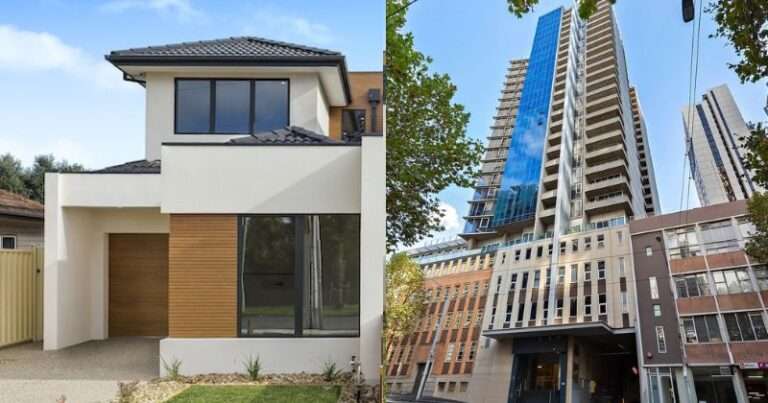

There are growing opportunities for apartment investors in the current market. The increased costs are well known but it is important to focus on the outlook.
Apartment investment returns in Melbourne have now hit 4.0% net. That’s after paying all the costs but before interest and depreciation or tax considerations. Before costs it is about 6%.
The landscape of apartment investment has shifted in the last few years with costs rising in areas like;
- Interest rates
- Land tax
- Compliance cost and regulation
- Some OC fees
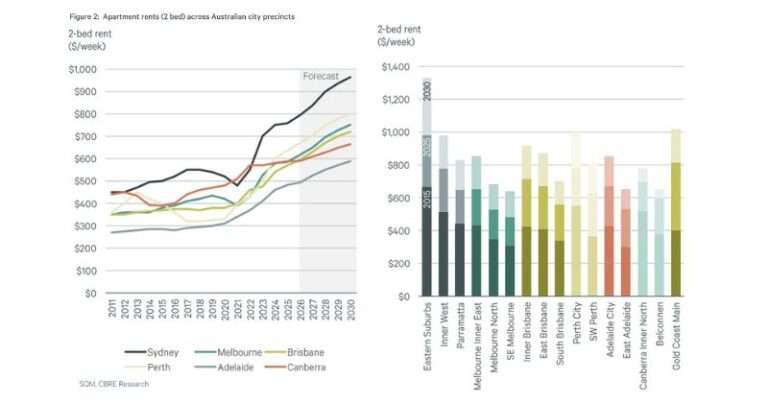
At the same time, rents have been experiencing above average growth for 4 years. Across Australia, rents are growing at 5.8% p.a. They hit 9.6% growth for the 12 months to Oct 22 (source: Corelogic).
As investors sell, the rental accommodation pool falls. Less rental housing means above average rental growth is here to stay.
While some investment owners find the additional costs too much, there a strong case for not only holding, but investing into the apartment market.
The case for an improving apartment market has been made before here. Simply however, apartment values need to increase by 15% to justify new construction, so new supply is constrained. Melbourne is also experiencing a rise in housing demand driven partly by rising net migration. There is also an above average gap between apartment and housing values.
Some apartments are selling below replacement cost and at a discount to initial expectations. This means there are good opportunities for savvy buyers.
Some owners are motivated to sell because the capital appreciation has been below expectations or competing investments look better. We know property is a long-term investment. When thinking about selling any asset, the important question to ask is, “how will each investment option perform in the future regardless of the past performance”.
As investment advisors say, “past performance is not an indication of future performance”.
Future investment also needs to factor in the cost of switching investments.
To exit the apartment market, it will cost about $20,000 – $25,000 being;
- Promotion & Marketing $ 6,000
- Conveyancing $ 1,500
- Staging (furniture etc) $ 3,500 (2 bedroom)
- Agents service fee $12,000 (if sold)
Total $23,000
Additionally, there may be lost rent during the marketing and settlement period of say $8,000 (3 months at $620/wk) assuming the renter is vacated prior to marketing.
Property investment return is made up of two components.
- Annual return – Net income expressed as a percentage of the property’s value.
- Capital return – Percentage change in value of the property each year.
Total return – Annual return + Capital return.
Wood Property just sold a St Kilda apartment for $525,000 that would rent at $675/wk. After allowing for all the costs of owning and renting it shows a return of 4.2%. Even if the capital return is 0% for a couple of years, an annual return of over 4% is historically high for residential property.
The outlook for both annual and capital return for apartments looks positive.
Rental growth is likely to continue. Economists are forecasting interest rates to fall over the next few years. Most other costs look to be unchanged. As apartments have a much lower land component than houses the land tax bill will remain relatively low.
Fortunately (or unfortunately) Victoria has been a first mover in tightening rental rules to protect tenants. While this has added some ownership costs, the impact has been minimal for modern and well managed apartments. The only hit has been to some well entrenched property owners rights or entitlements. We are unlikely to see any meaningful additional changes out of Spring Street.
Buyers are spoilt for choice. For patient investors it could be a good time to buy. The annual return numbers are starting to look very enticing and all the signs point to a healthy capital return over the next 5 – 10 years.
As the working population slowly but shortly moves back to in office working, it will become increasing important to live close to your work place which is another vote in favour of apartment living.
Obviously when considerting your investment options please seek independent qualified advice. The author is not a financial advisor.